
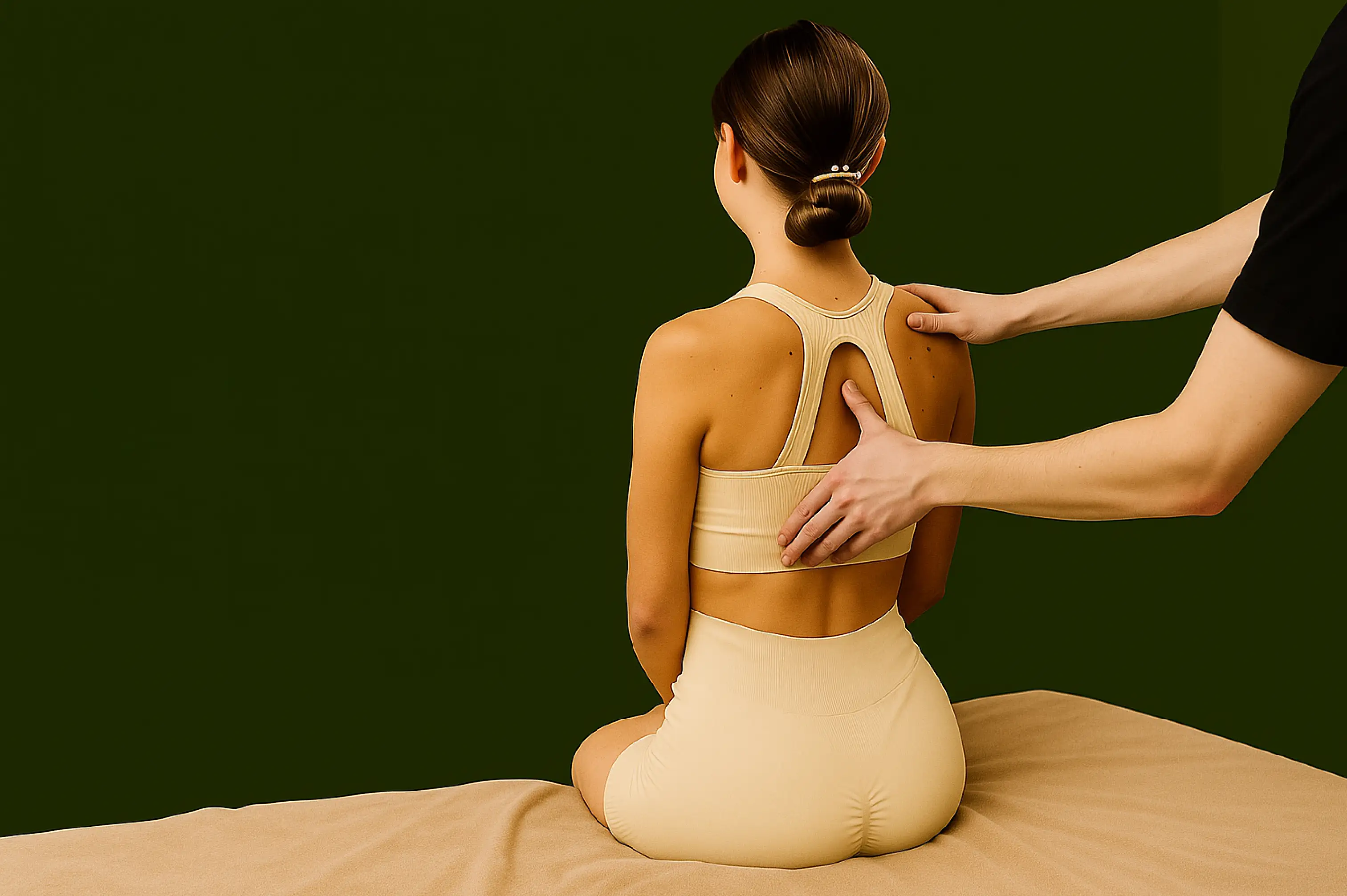
If you’ve been searching for craniosacral therapy in Toronto, you may have noticed how differently it’s described from one clinic to the next. Some call it deep relaxation. Others call it cranial osteopathy. At MyoCare RMT & Wellness, craniosacral therapy is part of osteopathic manual treatment at our Leaside clinic, 1517A Bayview Ave at Millwood. Here’s a clear, grounded look at what it is, what a session feels like, and who it may suit.
What Is Craniosacral Therapy?
Craniosacral therapy is a very gentle hands-on approach. The practitioner works with the skull (cranium), the spine and the sacrum at the base of the spine, and with the membranes and connective tissue that surround them. The pressure is light, often about the weight of a coin, and the aim is to ease tension in these tissues and help the nervous system settle.
In osteopathy, craniosacral work is often called cranial osteopathy. It isn’t a stand-alone fix. It’s one technique a manual osteopathic practitioner may use alongside soft tissue, myofascial and articulatory work, depending on what your body needs that day.
How it differs from massage therapy
Massage therapy works mostly with muscle and soft tissue, using pressure that ranges from gentle to deep. Craniosacral therapy is slower and quieter. Much of the session is still, light contact at the head, neck, ribcage and pelvis. Many people find it pairs well with massage: one addresses muscle tension directly, and the other supports a calmer baseline in the body.
Who Craniosacral Therapy May Help
Research on craniosacral therapy is still limited, and results are mixed. Some small studies suggest it may help with pain and quality of life in certain chronic pain conditions, but larger, higher-quality trials are needed. We see it as a gentle, low-risk option that many clients find helpful, not a cure. Here’s where it often comes up in the treatment room.
Tension headaches and neck tightness
Headaches that start at the base of the skull often involve tight upper-neck muscles and tissues. Gentle cranial and upper-neck work may help ease that tension. For a massage-based approach, see our post on headache relief massage in Toronto.
Jaw tension and TMJ discomfort
The jaw joint sits right beside the skull, and clenching or grinding can create tension through the face, temples and neck. Craniosacral techniques are sometimes used together with TMJ massage in Leaside to address the area from more than one angle.
Stress and a nervous system on high alert
Because the touch is so light and the pace so slow, many clients describe sessions as deeply calming. If you find it hard to switch off, a quieter approach may be a better fit than deep tissue work.
When stronger pressure isn’t right for you
Craniosacral therapy can suit people who are sensitive to touch, recovering from an injury, or simply prefer a gentler treatment. If you’re pregnant or recovering from a concussion, tell your practitioner and check with your doctor or midwife first.
What to Expect at a Craniosacral Session in Leaside
Your appointment starts with a conversation about your health history, your goals and what’s bothering you. You stay fully clothed, so comfortable clothing is best. You’ll lie on a treatment table while your practitioner uses light, still contact and very small movements, usually at the head, neck, upper back and pelvis.
Most people feel relaxed. Some notice warmth, softening, or simply a sense of quiet. Afterward, drink some water, take it easy and notice how you feel over the next day or two. Your practitioner will talk with you about whether more sessions make sense and how craniosacral work fits with the rest of your care.
At our Leaside clinic, osteopathic manual treatment, including craniosacral work, is provided by our osteopathic practitioners Katrine O’Reilly, DOMP, and Lihua (Karen) Jin. You can learn more about the full approach in our guide to osteopathic manual treatment in Toronto.
When to See a Doctor First
Craniosacral therapy supports your health care. It doesn’t replace it. See a doctor before booking if you have a sudden or severe headache, a recent head injury, unexplained dizziness, numbness or weakness, vision changes, or symptoms that are getting worse. Your practitioner may also suggest a medical check-in if something in your history calls for it.
Craniosacral Therapy in Toronto at MyoCare Leaside
Our Leaside clinic is at 1517A Bayview Ave at Millwood, an easy trip from Leaside, Davisville, Moore Park, Bennington Heights and East York. In one place you’ll find osteopathy, registered massage therapy and acupuncture, so your care can be coordinated between practitioners. Visit our Leaside location page for hours and directions, or see current pricing on our osteopathic manual treatment page. Osteopathy rates are subject to 13% HST.
Frequently Asked Questions
Does craniosacral therapy hurt?
No. The pressure is very light, and most people find it relaxing. If anything feels uncomfortable, tell your practitioner and they’ll adjust.
How many craniosacral sessions will I need?
It varies. Some people notice a difference after one or two sessions, while others benefit from a short series. Your practitioner will suggest a plan after your first visit and review it with you as you go.
Is craniosacral therapy covered by insurance?
Many extended health plans in Ontario cover osteopathy. Check your plan for osteopathy coverage and whether it requires a specific designation, then ask us for a receipt after your visit.
Is craniosacral therapy the same as cranial osteopathy?
They’re closely related. Cranial osteopathy is the osteopathic version of this gentle work. At MyoCare it’s done as part of osteopathic manual treatment, so it can be combined with other techniques in the same session.
Can I combine craniosacral therapy with massage or acupuncture?
Yes. Many clients alternate osteopathy with registered massage therapy or acupuncture at our Leaside clinic. Your practitioners can help you decide what timing works best.
Ready to see if craniosacral therapy is right for you? Book osteopathic manual treatment at our Leaside clinic on Bayview through our online booking page, or call us at (416) 265-9606. We’re here to help you feel more at ease in your body.