
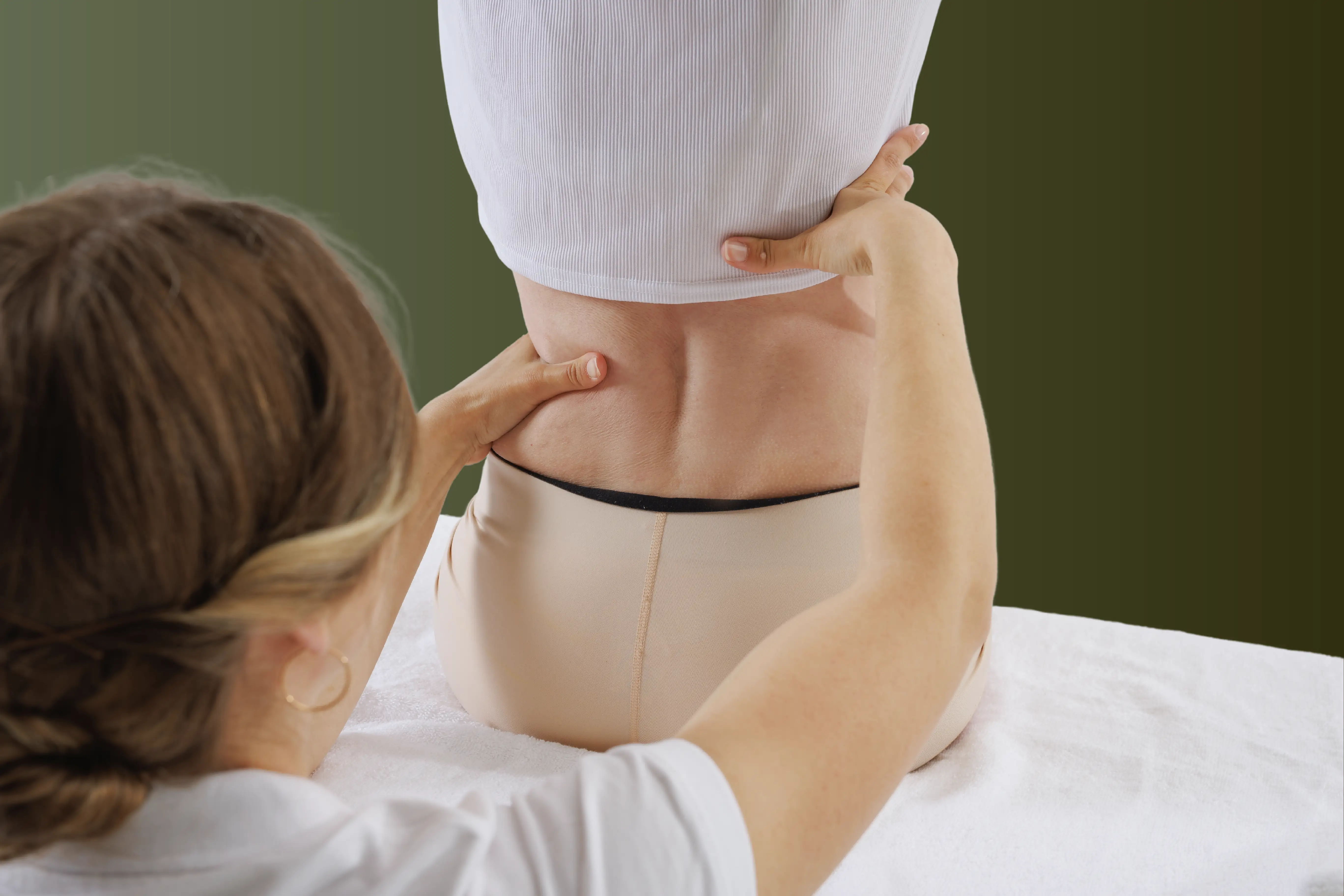
Osteopathic manual treatment is one of the most misunderstood services we offer at Myocare in Toronto. Many people have heard of osteopathy. However, few are clear on how it differs from massage therapy, physiotherapy, or chiropractic care. Others assume it is simply another name for chiropractic adjustments.
Neither assumption is accurate. In fact, osteopathic manual treatment has its own theoretical framework and a broader scope of assessment and treatment. As a result, it helps a different range of presentations than any of these other approaches.
This guide explains what osteopathic manual treatment in Toronto involves, which conditions it suits best, and what to expect from a session. If you prefer to go straight to service details, visit our osteopathic manual treatment service page or our services and rates page.
What Is Osteopathic Manual Treatment?
Osteopathic manual treatment, often shortened to OMT, is a therapeutic approach that uses the hands. It rests on one core principle: the body works as a single functional unit, and structure and function are inseparable. When one part becomes restricted or dysfunctional, it affects the whole system. Conversely, restoring normal structure and mobility in one area helps the body regulate and heal itself more effectively.
Osteopathic practitioners assess and treat more than the musculoskeletal system. They also work with the fascial, nervous, circulatory, and visceral systems. The visceral system includes the internal organs and their attachments. This whole body perspective sets osteopathy apart from approaches that focus on one tissue type or one region.
In Ontario, osteopathic manual practitioners complete a comprehensive program in osteopathic techniques. Because of this training, they work within a framework that emphasizes whole body assessment and treatment rather than symptom management.
How Does Osteopathic Manual Treatment Differ From Massage Therapy?
Both therapies rely on skilled touch. That said, they target different layers of the body and follow different reasoning. The table below compares the two approaches.
| Osteopathic Manual Treatment | Registered Massage Therapy |
|---|---|
| Addresses the whole body as an interconnected functional unit | Primarily addresses soft tissue: muscle, fascia, and connective tissue |
| Includes visceral, craniosacral, and joint techniques | Focuses on manual muscle and fascial manipulation |
| Starts with a structural assessment before treatment | Guided by symptoms and complaints shared at intake |
| Lighter touch in many techniques, especially craniosacral work | Variable pressure, from light relaxation work to firm deep tissue work |
| Often effective for complex systemic and structural presentations | Particularly effective for specific musculoskeletal complaints |
| May address digestive, hormonal, and neurological complaints | Focused primarily on musculoskeletal pain and mobility |
Many Toronto clients benefit from both osteopathic manual treatment and registered massage therapy within one integrated care plan. The two approaches address different layers of the body, so they complement each other well. For example, a massage therapist might release muscular and fascial tension in the lower back. Meanwhile, the osteopathic practitioner addresses the underlying pelvic asymmetry that drives the pattern.
What Conditions Does Osteopathic Manual Treatment Help With?
Osteopathic manual treatment in Toronto suits a wide range of presentations. Below are some of the most common reasons clients book with us.
Chronic Lower Back and Pelvic Pain
Chronic lower back pain with a pelvic or sacroiliac component is one of the presentations that often responds best to osteopathic treatment. Many clients with this pattern have not found lasting relief from physiotherapy or massage therapy alone. Usually, that is because no one has directly addressed the structural component. This might be a pelvic asymmetry, a restricted sacroiliac joint, or a dysfunctional lumbar segment.
Osteopathic assessment identifies these structural factors. Your practitioner then addresses them as part of your treatment plan.
Neck Pain and Headaches With a Craniosacral Component
Some neck pain and headaches have a craniosacral or upper cervical component. Examples include symptoms after a concussion, occipital neuralgia, and headaches linked to TMJ dysfunction. These presentations often respond particularly well to osteopathic treatment. In contrast, standard massage therapy techniques cannot effectively assess or treat the craniosacral system.
Recovery After Surgery
After surgery, the fascial system adapts to the changes the procedure creates. Scar tissue forms, fascial planes adhere, and the body develops compensatory movement patterns to protect the surgical site. These adaptations can persist and cause problems well beyond the normal recovery time frame. To address this, osteopathic treatment works on the fascial effects of surgery, mobilizes scar tissue, and restores normal mechanical relationships throughout the body.
Digestive Complaints
Visceral osteopathy addresses the mobility and motility of the internal organs and their fascial attachments. Your organs are not fixed in space. Instead, they move with breathing, with digestion, and with changes in position.
Sometimes inflammation, scar tissue, or fascial adhesion restricts this mobility. When that happens, digestive symptoms can follow, including reflux, bloating, constipation, and abdominal pain.
TMJ Dysfunction
Some TMJ dysfunction involves a complex structural component. This can include the upper cervical spine, the cranium, and the occlusal system. In these cases, an osteopathic approach helps because it assesses and treats the whole mechanical context of the complaint. We frequently combine it with our TMJ dysfunction treatment and massage therapy for jaw pain for a comprehensive approach.
Musculoskeletal Complaints During Pregnancy
Pelvic instability, pubic symphysis pain, sacroiliac dysfunction, and rib flare pain are common during pregnancy. Fortunately, osteopathic treatment can offer significant benefit for these complaints. Practitioners with prenatal training can address them safely across all trimesters. Many clients also pair this care with prenatal massage therapy for comprehensive prenatal care at Myocare.
What Techniques Does Osteopathic Manual Treatment Use?
At Myocare in Toronto, your practitioner chooses osteopathic manual treatment techniques based on your assessment findings. Here are the main categories you may experience.
Soft Tissue and Myofascial Techniques
Osteopathic soft tissue techniques resemble advanced myofascial release. They involve sustained, specific pressure on restricted fascial and soft tissue areas. Beyond that, this approach treats both the local restriction and the fascial connections that link it to other regions of the body.
Articulatory and High Velocity Techniques
Articulatory techniques move a joint passively through its range of motion with rhythmic, repetitive movement. Over time, this progressively restores mobility. High velocity low amplitude techniques, also known as adjustments, use a short, precise, high speed impulse. Their goal is to restore joint motion at a specific segment.
However, practitioners use these techniques selectively and only when the assessment indicates them.
Craniosacral Therapy
Craniosacral therapy works with the subtle rhythmic motion of the craniosacral system. This system includes the skull, the sacrum, and the membranes and cerebrospinal fluid surrounding the brain and spinal cord. Restrictions in craniosacral motion can contribute to headaches and lingering symptoms after a concussion. They can also play a role in complaints related to stress, along with a range of neurological and systemic conditions.
Visceral Osteopathy
Visceral osteopathy assesses and treats the internal organs and their fascial attachments. Restricted visceral mobility can contribute to back pain, postural dysfunction, digestive complaints, and reproductive health issues. Importantly, soft tissue work or joint work alone does not address these patterns.
Osteopathic Manual Treatment in Toronto: Annex and Leaside
Our Annex clinic at 1096 Bathurst Street offers osteopathic manual treatment to clients across the Annex, Seaton Village, Palmerston, and midtown Toronto.
Meanwhile, our Leaside clinic at 1517a Bayview Ave continues to expand its services, and osteopathic availability there is growing. For current availability, check our services and rates page or call our Leaside clinic at (416) 265 9606. You can also browse our team of practitioners to find the right osteopathic provider for your concern.
Frequently Asked Questions
Does insurance cover osteopathic manual treatment in Ontario?
Many extended health benefit plans in Ontario include osteopathy under paramedical services. However, coverage amounts and credential requirements for practitioners vary significantly by plan. Check your benefits booklet or call your insurer to confirm. Myocare also offers direct billing for covered services.
How is osteopathy different from chiropractic care?
Both disciplines work with joints and the spine. In addition, both can produce audible cavitation sounds during treatment. The key differences lie in scope and philosophy. Chiropractic care focuses primarily on spinal alignment and its neurological effects.
By contrast, osteopathy takes a broader whole body approach. It assesses and treats joints and the musculoskeletal system, as well as the fascia, the visceral organs, and the craniosacral system.
How many sessions will I need?
This varies considerably by condition and by how long it has been present. Acute presentations often respond in two to four sessions. On the other hand, complex conditions or those present for a long time may need a longer course of treatment. Your practitioner will discuss a realistic plan at your first appointment.
Can I combine osteopathy with massage therapy or acupuncture at Myocare?
Yes. Many Toronto clients combine osteopathic manual treatment with registered massage therapy, acupuncture, or both. This combination often produces the best outcomes for complex presentations. That is because the three modalities address different aspects of the body and frequently complement one another.
What should I expect at my first osteopathic appointment?
Your first session begins with a detailed intake. It covers your presenting complaint, health history, previous treatments, and treatment goals. Next, your practitioner performs a structural assessment, observing your posture and testing your range of motion.
Treatment is generally gentle. Many techniques involve light sustained pressure or passive movement rather than the firm tissue work of deep tissue massage. Sessions typically run 60 minutes.