
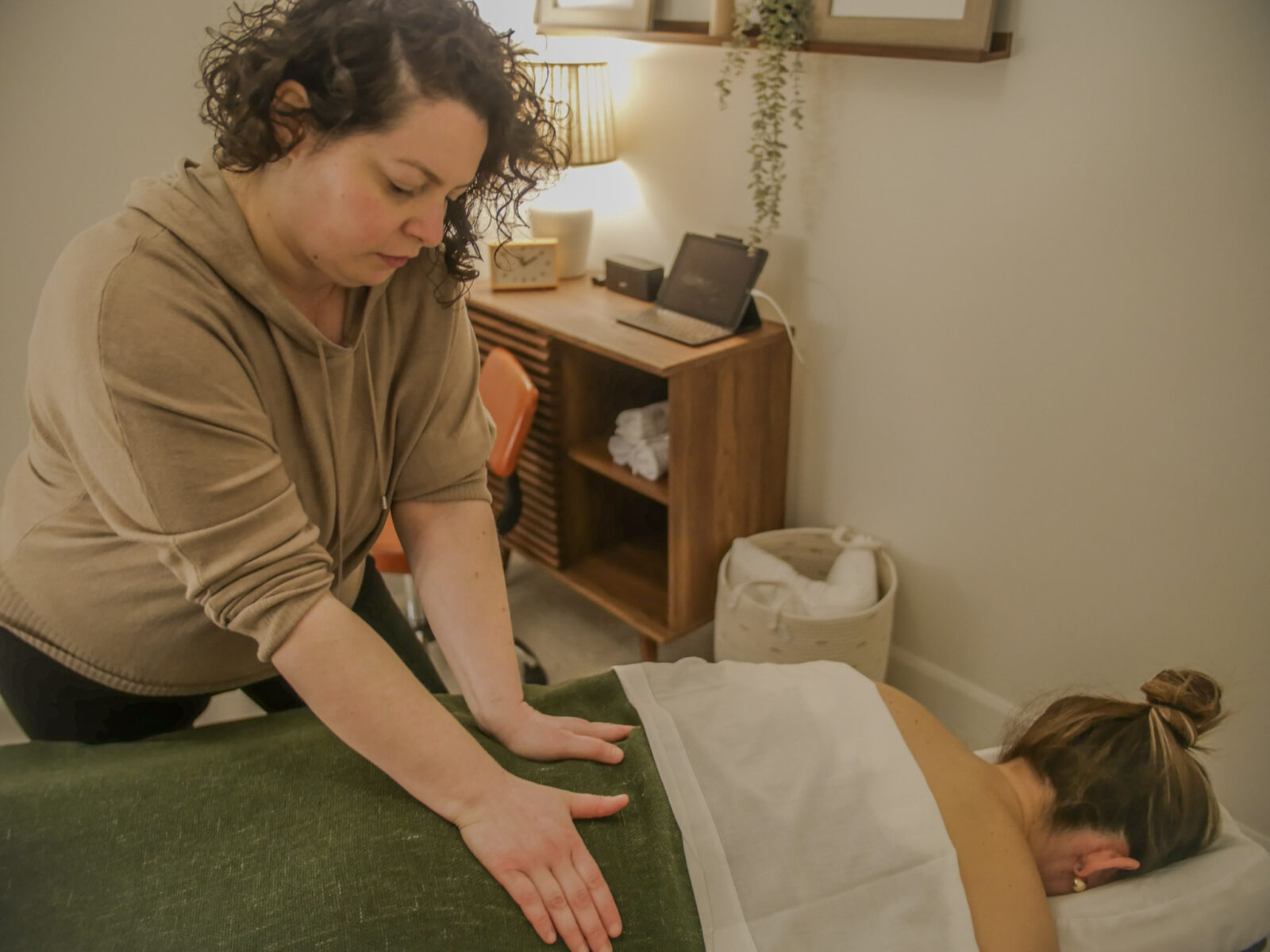
What’s the Difference Between an RMT vs Non-RMT Massage? Why Does It Matter?
If you are booking a massage in Toronto, you will see both “RMT massage” and “massage” offered by different providers. They can feel similar on the surface, but the difference matters, especially if you care about professional standards, treatment planning, insurance coverage, and what your appointment is actually designed to do.
This guide explains the difference between a Registered Massage Therapist (RMT) and non-RMT massage, and how to choose the right option for your needs.
If you already know you want regulated, clinical care, you can book with a registered massage therapist in Toronto at MyoCare.
If you are looking specifically for regulated care, start with MyoCare’s Registered Massage Therapy in Toronto.
Quick answer: RMT vs non-RMT massage
An RMT is a regulated healthcare professional in Ontario. They are trained to assess, treat, document care, and follow professional standards. A non-RMT massage provider may offer relaxation or bodywork services, but they are not registered under the same regulatory college and may not be able to provide insurance-eligible receipts.
If you want treatment-focused massage that supports recovery, pain management, or performance goals, an RMT is usually the right place to start.
What is an RMT?
An RMT is a Registered Massage Therapist. In Ontario, that generally means the practitioner has completed formal education and examinations and is accountable to professional standards.
At MyoCare, RMT care is designed to be specific, goal-driven, and adapted to your body. You can learn what is included here: Registered Massage Therapy in Toronto.
If you want to understand the clinic and approach, visit About MyoCare and browse the team on Meet our practitioners.
What is non-RMT massage?
Non-RMT massage can refer to many types of services, such as relaxation massage, bodywork, or spa-based treatments. Some of these may feel great and help you unwind, but they are not always designed around assessment, clinical goals, or treatment documentation.
Non-RMT services can be a good fit when your goal is general relaxation and you do not need insurance coverage or a treatment plan. If you are dealing with a specific issue like pain, restricted movement, recurring tension patterns, or a sport-related concern, an RMT is more likely to deliver a structured plan and measurable progress.
Why the difference matters
1) Insurance receipts and direct billing
One of the most practical differences is that many insurance plans require a receipt from a registered provider. If insurance coverage matters to you, confirm the provider is an RMT.
If you plan to use benefits, MyoCare has a page for billing support here: Direct billing form.
2) Assessment, documentation, and treatment planning
An RMT appointment typically includes a short intake, questions about your history and goals, and a plan for what to treat and why. Care is documented and adjusted over time.
If you are new to this style of care, you may also want to read MyoCare’s FAQs.
3) Scope and referral decisions
A strong RMT will also be clear about what massage therapy can and cannot do. If your symptoms suggest you may need a different provider or a combined approach, they can guide you.
MyoCare offers several complementary services that clients often explore alongside massage therapy, depending on the issue:
- For athletic recovery and rehab-focused care, see Sports Massage and Athletic Rehabilitation.
- For jaw tension and TMJ symptoms, see Massage therapy for jaw pain and TMJ dysfunction treatment. Some clients also ask about medical options like injectables, which MyoCare explains here: Botox for TMJ dysfunction.
- For tissue restrictions and mobility limitations, see Myofascial release therapy.
- For whole-body alignment and mobility support, see Osteopathic manual treatment.
- For clients looking for nervous system regulation, circulation support, or performance support, MyoCare also offers Acupuncture.
4) Safety, consent, and professional standards
RMTs are expected to follow clear consent practices, maintain professional boundaries, and apply treatment safely for your health history. If you have medical considerations, a regulated clinical environment is often the safer choice.
How to choose between an RMT and non-RMT massage
Ask yourself these questions:
- Do you want insurance coverage or a receipt for benefits? If yes, choose an RMT and confirm direct billing options. Start here: Registered Massage Therapy in Toronto.
- Do you have a specific concern you want treated? If yes, choose an RMT and consider a relevant treatment type like Sports Massage and Athletic Rehabilitation or Myofascial release therapy.
- Are you primarily looking to relax, unwind, and de-stress without a treatment plan? A non-RMT massage may be enough, depending on your preferences.
- Do you want a clinic that can coordinate multiple treatment approaches? If yes, review Services and rates and the team on Meet our practitioners.
What to expect when you book an RMT at MyoCare
Expect a brief intake and goal-setting, hands-on treatment focused on your needs, and practical next steps. If you want preparation tips, this article is a useful companion read: Pre and post massage care tips.
If you are ready to book, start with MyoCare’s Registered Massage Therapy service page and then review the full services and rates.
Book with confidence
The main difference is simple. An RMT is regulated care designed around assessment, clinical standards, and treatment planning. Non-RMT massage may be relaxation-focused and can be a fit for stress relief, but it may not include the same structure or benefit eligibility.
If you want a registered provider and a care plan that matches your goals, book an appointment at MyoCare.