+1 (416) 995-6601

1096 Bathurst St. Toronto, ON

Mon - Fri: 9AM - 7:30PM | Sat - Sun: 9AM - 5:30PM

RMT. Acupuncture. Osteopathy.

Botox For TMJ Dysfunction

Registered Massage Therapist and Nurse Practitioners in Toronto, ON

Botox For TMJ
Dysfunction.

Botox for TMJ Dysfunction is part of a targeted treatment plan designed to relieve jaw tension and restore proper function. This medical-grade therapy works by relaxing overactive jaw muscles, reducing pain, and improving movement. Each session is customized to ease discomfort, enhance alignment, and support long-term TMJ health.

Every TMJ case is unique. Our approach begins with a detailed assessment of your jaw mobility, tension patterns, and bite alignment. Botox is precisely administered to relax specific muscles like the masseter and temporalis, relieving pain while maintaining natural movement and facial symmetry.

Our clinic offers a calm and professional setting for your Botox treatment. In a relaxed environment, clients can feel comfortable and confident knowing they’re receiving safe, evidence-based care tailored to their TMJ needs.

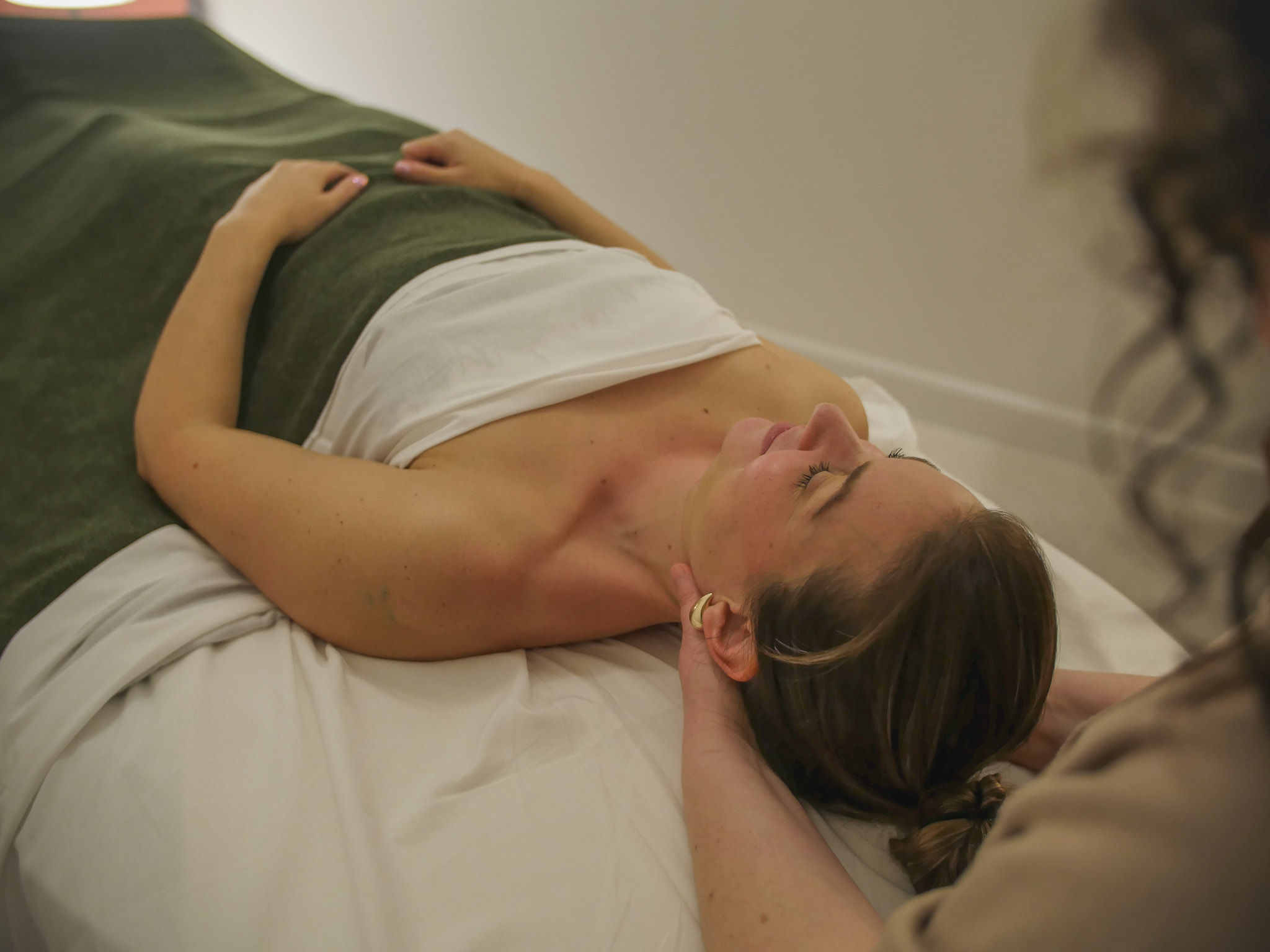
Our calm, restorative space is designed to help you relax from the moment you arrive. Gentle lighting, quiet surroundings, and skilled hands create the ideal atmosphere for healing, allowing the jaw and surrounding muscles to soften and recover naturally.

Your First Appointment with Myocare RMT & Wellness

Select Your Treatment Type & Length

Choose the massage therapy that best fits your needs, from relaxation to rehabilitation, and select your preferred session length for your most effective treatment experience.

Check Yourself Into Our Lounge

Arrive at your own pace and settle into our peaceful lounge. With no receptionist, you can enjoy a calm, uninterrupted start to your massage experience from the moment you walk into the clinic, to the moment you leave.

Personalized & Tailored Treatment with your Myocare Professional

Your RMT will customize every session to your body’s unique needs, focusing on targeted relief, improved mobility, and overall wellness.

Botox for Treating Temporomandibular Dysfunction (TMD) and Jaw Tightness

If you’ve been experiencing jaw pain, tightness, or difficulty moving your jaw, you might have a condition called Temporomandibular Dysfunction (TMD). This is a problem with the joints and muscles that control jaw movement. It can cause discomfort, headaches, jaw clicking, or even trouble chewing. One solution that’s becoming more common for TMD and jaw tightness is Botox, yes, the same Botox used for wrinkles! 

Botox is a treatment that involves injecting a tiny amount of botulinum toxin (a protein) into specific muscles. While it’s known for smoothing wrinkles, Botox has also been used for many years to treat medical conditions, including jaw tension and TMD. 

Botox works by relaxing the muscles around your jaw that might be too tight or overactive. In TMD, these muscles can cause pain and stiffness. When Botox is injected into the right areas, it blocks the signals that make the muscles contract too strongly.

Botox helps to decrease involuntary muscle spasms in the jaw. These spasms can occur when the muscles are overworked or stressed, and they contribute to tightness and pain. By blocking the signals from the nerves to the muscles, Botox helps reduce spasms.

Many people with TMD tend to clench their jaws or grind their teeth, often unconsciously, especially while sleeping. Botox can help limit this clenching by relaxing the muscles that are doing the most work, which results in less pressure on the TMJ area.

With the muscles relaxed, there’s less strain on the TMJ and surrounding structures. This can lead to a decrease in pain, headaches, and other symptoms caused by muscle tension.

botox for TMJ2

Common Problems Botox for TMJ Dysfunction Can Help With

Chronic Jaw Clenching

Overactive jaw muscles can clench involuntarily throughout the day and night. Botox relaxes the masseter and temporalis muscles to reduce grinding and protect the jaw.

TMJ Pain & Muscle Soreness

Tight jaw muscles put stress on the TMJ joint, causing daily discomfort. Botox reduces muscle tension, helping ease jaw pain and improve comfort during movement.

Headaches from Jaw Tension

Clenching often refers pain into the temples and forehead. Botox decreases jaw muscle overactivity, lowering the intensity and frequency of tension headaches.

Limited Jaw Opening

Muscle tightness can make it hard to fully open the mouth. Botox softens overworked muscles, allowing a more natural and comfortable range of motion.

Square or Overdeveloped Jawline

Chronic clenching can cause the masseter muscles to enlarge over time. Botox helps slim and soften the jawline by reducing excess muscle activity.

Clicking, Popping, or TMJ Joint Irritation

Tight jaw muscles alter the mechanics of the TMJ joint, creating clicking or popping. Botox reduces strain on the joint, helping improve alignment and function.

Botox for TMJ Dysfunction Rates - Melanie to Provide rates

Treatment Pricing Table
90 min treatment
$195.50
75 min treatment
$173.00
45 min treatment
$124.00
30 min treatment
$95.00

Massage therapy treatments: Pregnancy or Advanced Prenatal Massage | Myofascial Release | TMJ treatment | Sports Massage Therapy

*Excludes Lymphatic Treatments

michelle c

About our Nurse Injector

Michelle Collenut RN

Michelle brings over 20 years of nursing experience to MyoCare, and a gentle injection technique to support her handy work. She attained a Medical Aesthetics certificate for nurses in early 2023, and has been working in the medical aesthetics field since, mentoring under Dr. Paul Cohen at Rosedale Dermatology. She knows what it means to carve out self-care, which is why she aims to couple injections with spa-like touches, ensuring you feel cared for and supported throughout your health journey. Michelle has taken extra training in the treatment of the muscles of the TMJ, in order to provide long term relief from pain and tension with a educated touch.

What to Expect During Botox Treatment for TMD

Our process is simple and quick. Your Nurse will:

Assess Your Jaw Muscles

Your nurse injector will examine your masseter, temporalis, and surrounding muscles to identify where clenching and tension are coming from.

Path 5.svg

Inject Botox Into Key Areas

Precise, small injections are placed into the overactive jaw muscles to help them relax and reduce strain on the TMJ joint.

Path 1.svg

Review Aftercare & Expected Results

You’ll receive simple aftercare instructions and a clear timeline of when to expect relief, typically within 7 to 14 days.

Is Botox Safe for TMD? 

Yes, Botox is generally considered safe when administered by a trained professional. The injections are targeted, so it only affects the muscles you need to relax. Many people with TMD have found Botox to be a helpful treatment option. However, as with any treatment, it’s important to discuss with your doctor if Botox is right for you. 

How Long Does Botox Last for TMD? 

The effects of Botox for TMD typically last about 3 to 6 months. After that, you may need a follow-up treatment to maintain the benefits.

Quick and Non-Surgical: Botox is a non-invasive option, meaning you don’t need surgery, and recovery time is minimal.

Our licensed nurse injector brings over 20 years of nursing experience to Myocare RMT & Wellness

How Long Does the Relief Last When Treating TMD with Botox?

When Botox is used to treat Temporomandibular Dysfunction (TMD), the relief from muscle tension and pain typically lasts between 3 to 6 months.

In short, Botox provides temporary relief, and while it doesn’t cure TMD, it can offer significant improvement in pain and muscle tension for several months. Regular treatments can help keep the symptoms under control.

Over time, as the Botox effect wears off, muscle activity in the jaw may gradually return. Many patients find that they need repeat treatments every 3 to 6 months to maintain the benefits and continue relieving their TMD symptoms.

botox for tmj 2
botox for TMJ2

Are You a Good Candidate for TMJ Botox?

Botox for Temporomandibular Joint (TMJ) disorders can be a highly effective treatment, but not everyone with TMD is a good candidate. Here are some factors to consider when determining if Botox might be right for you:

  • Good Candidate: If you’ve been dealing with persistent jaw pain, tightness, headaches, or facial discomfort that hasn't responded well to other treatments (like physical therapy, pain medications, or splints), Botox might be a good option.
  • Not Ideal: If your TMD symptoms are mild and temporary or can be managed with other methods, Botox might not be necessary.
 
  • Good Candidate: If your TMD is mainly due to muscle tension in the jaw (like tight masseter muscles) or muscle spasms causing pain or limited jaw movement, Botox can help by relaxing those muscles.
  • Not Ideal: If your TMD is primarily caused by structural issues in the joint, such as a displaced disc or arthritis, Botox may not be as effective.
  • Good Candidate: If you experience chronic headaches, ear pain, clicking, or popping in the jaw, and have tried other treatments without success, Botox could provide relief.
  • Not Ideal: Botox may not be suitable if your TMD symptoms are more related to joint damage or if they only occur occasionally.
  • Good Candidate: Botox is generally safe, but you should not get it if you have any allergies to botulinum toxin, the active ingredient in Botox.
  • Not Ideal: If you have a history of severe allergies to Botox or other botulinum toxins, this treatment wouldn’t be suitable.
  • Good Candidate: Botox is generally safe for adults, and the treatment is well-tolerated in most people.
  • Not Ideal: Pregnant or breastfeeding women, as well as individuals with certain neurological conditions, should avoid Botox until they consult with a healthcare provider.
  • Good Candidate: Botox is best for individuals looking for temporary relief from muscle tension, pain, and related TMD symptoms. If you’re realistic about the need for repeat treatments every few months, Botox can be a great option.
  • Not Ideal: Botox is not a permanent cure for TMD and won’t address any underlying joint problems. If you’re seeking a permanent fix, Botox might not be the right approach.

FAQ on Botox for TMJ Dysfunction

Yes. Botox is considered safe for TMD when performed by trained professionals. It works by relaxing overactive jaw muscles, reducing strain on the TMJ joint without affecting your ability to speak or chew normally.

You may notice mild softness when biting or chewing tough foods, but this is temporary. The goal is to reduce excessive tension, not to limit jaw function.

Most patients feel relief within 7–14 days, with results lasting 3–4 months. Regular treatments can help stabilize symptoms over time.

The injections use very fine needles, and discomfort is minimal, often compared to a quick pinch. Most patients continue their day normally right after treatment.

Yes. By reducing tension in the masseter and temporalis muscles, Botox can significantly lower the frequency and intensity of tension-based headaches.

Absolutely. Botox targets only the areas responsible for excessive clenching and grinding. You can chew, speak, and move your jaw normally.

It varies by individual jaw strength and clenching severity. Your practitioner will assess your masseter and temporalis muscles to determine the right dose.

Side effects are rare. Some may experience brief swelling, mild bruising, or tenderness at the injection site, which resolves quickly.

Yes. For patients with enlarged masseter muscles from clenching, Botox can create a softer, more tapered jawline over time.

No downtime. You can return to work or daily activities immediately after treatment.

Still have a question? Contact our receptionist today.

Toronto's Top Rated RMT & Wellness Clinic.

Myocare RMT + Wellness

Our Treatments

Registered Massage Therapy

Myofascial Release Therapy

Massage Therapy for Jaw Pain

Advanced Prenatal and Postnatal Massage

Pregnancy Massage

Sports Massage & Athletic Rehabilitation

Detox (Brazilian) Lymphatic Massage

Botox For TMJ Dysfunction

Acupuncture

Cosmetic Acupuncture

Advanced Lymphatic Drainage Massage

Osteopathic Manual Treatment

test